
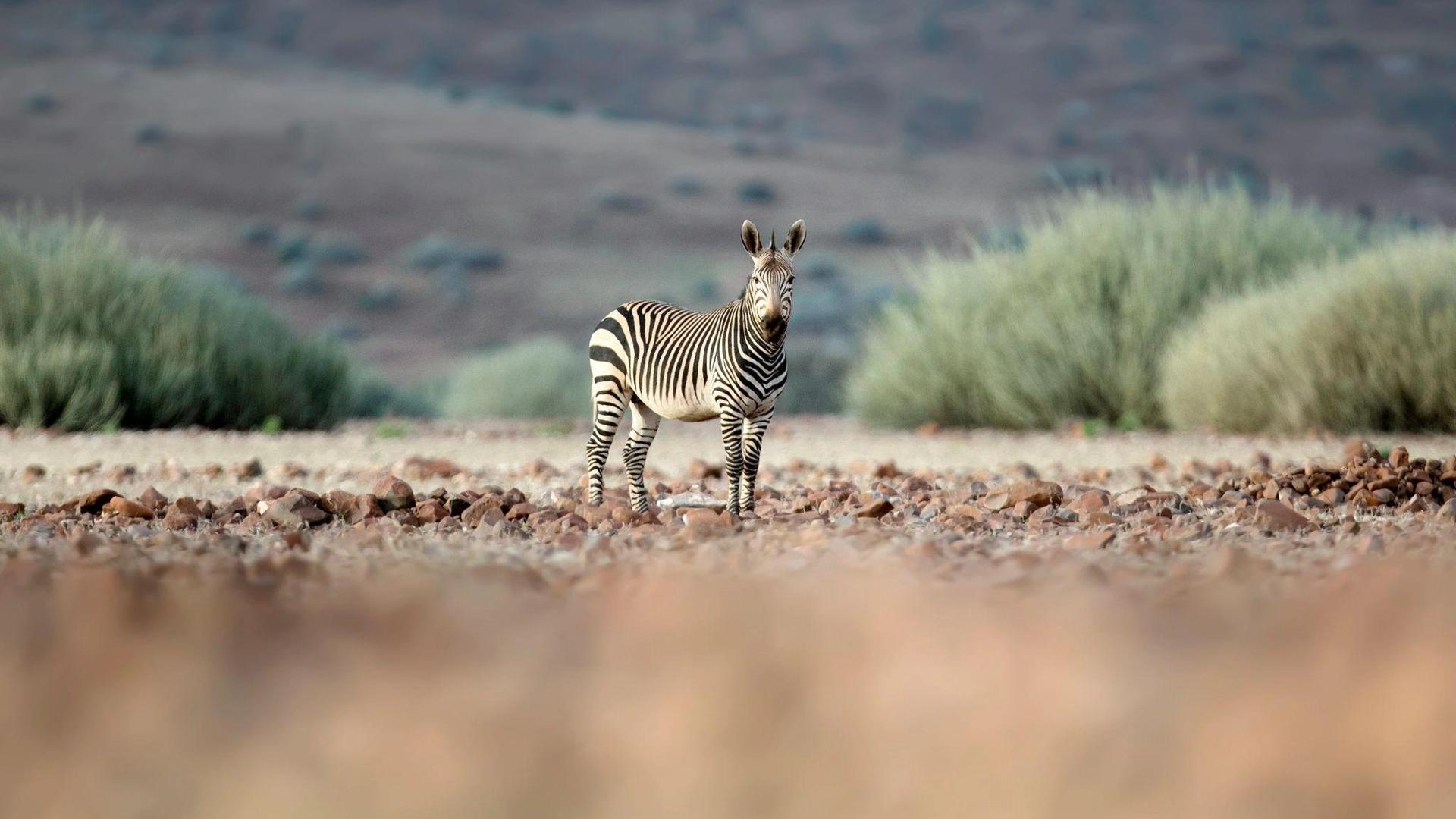
Most first-time safari guests spend the entire game drive scanning the treeline. Eyes up, binoculars ready, waiting for movement in the distance.
Our recommendation: watch your guide. They're looking down.
Every scrape, print, and pile tells a story. A bend in the grass. A scuff mark in the sand. Fresh dung still steaming in the morning cold (glamorous, we know). These aren't just clues to where the animals are now. They're a record of everything that happened while you were tucked up in your lodge, sleeping off that second glass of Pinotage.
Consider this your introduction to the language beneath your feet, from the smallest engineers to the largest drama queens.

The Tiny Engineers
Start with the humble dung beetle. These obsessive little creatures locate fresh elephant or buffalo dung within minutes of it hitting the ground, roll it into perfect spheres, and trundle off to bury it for their larvae. The tracks they leave, two tiny grooves with a ball-shaped impression between them, are oddly satisfying to spot. Very Type A energy, honestly.
Speaking of dung: learning to read it is less glamorous but genuinely useful. Fresh and moist means the animal passed through recently. Dry and crumbly? Hours ago, maybe longer. Your guide can tell you what species left it, what they'd been eating, and roughly when they walked through. It's like forensic science, but earthier.
Termite mounds deserve a mention too. Those structures dotted across the landscape aren't just architectural marvels. They're orientation landmarks, microhabitats for dozens of other species, and a surprisingly accurate compass (the tall axis often points north-south to regulate temperature). Guides use them constantly.

The Scurriers and Scratchers
Mongoose tracks appear everywhere once you start looking. Tiny, busy prints in clusters, usually near termite mounds or fallen logs where they hunt for insects. Banded mongooses travel in chaotic groups, so you'll often see a highway of overlapping prints rather than a single trail. Very much "we travel in packs" vibe.
Porcupines leave more dramatic evidence. Deep scratch marks on tree trunks where they've gnawed bark. Quills scattered near burrow entrances. And those distinctive waddle-prints, pigeon-toed and heavy, usually leading to or from rocky outcrops where they shelter during the day.
Then there's the honey badger. Their digging sites are unmistakable: crazy, enthusiastic excavations that look like a small explosion occurred. They'll tear apart a termite mound in minutes, dig out a snake from underground, and move on without a backward glance. Following their path of destruction is weirdly entertaining. Icons of chaos, those ones.

The Prowlers
Predator tracks get everyone's attention, and with good reason. Learning to distinguish them is one of the most satisfying safari skills.
Leopard and cheetah prints look superficially similar, but here's the key: cats with retractable claws leave clean prints with no claw marks. Lions and leopards fall into this category. Cheetahs, whose claws are only semi-retractable (built for grip when sprinting), show faint claw impressions at the front of each toe pad.
Lion tracks are unmistakably large, about the size of a side plate. When a pride has walked through, the path becomes obvious: multiple overlapping prints heading in the same direction, like a very well-organised group outing. If you see drag marks alongside, something was killed and moved. Your guide will follow these eagerly.
Hyena tracks look almost canine, with visible claw marks, but their distinctive gait gives them away. Hyenas walk with a loping, asymmetrical stride that leaves an irregular pattern in soft sand, quite different from the neat trot of a wild dog.

The Giants
Now we're in different territory altogether.
Rhinos maintain communal dung middens, essentially shared powder rooms that function as territorial notice boards. Both black and white rhinos return to the same spots repeatedly, kicking their dung to spread the scent. Finding an active midden means rhinos are nearby and using the area regularly. Very community-minded, in their own way.
Elephant footprints are the easiest to spot but surprisingly nuanced to read. A skilled tracker can age a print by examining the moisture content in the soil and the definition of the edges. Sharp, crisp edges with moist soil? Within the last hour or two. Crumbling edges and dry, cracked mud? Yesterday's news. The size tells you the elephant's approximate age, and the depth indicates whether it was walking calmly or moving with purpose.
Then there are hippo highways: the deeply grooved paths hippos carve between water and their grazing grounds. These absolute units walk the same routes so consistently, night after night, that they wear trenches into the earth. Never stand in one after dark. Trust us on this.

What This Means for Your Luxury Safari
You don't need to memorise all of this. That's what your guide is for. But knowing the basics transforms you from a passive viewer into an active participant. Suddenly you're spotting things before they're pointed out. You're asking better questions. You're understanding the story of what happened in this place before you arrived.
Walking safaris are the best way to learn. On foot, with a good guide, the ground becomes your textbook. But even from a vehicle, you can start paying attention to what's beneath the wheels.
Next time you're on a game drive and your guide brakes suddenly to examine the road, lean in. Something walked through here. And if you look carefully, it left you a message.
Want a safari with guides who read the ground like a book?
We know which camps have exceptional trackers, the kind who've spent decades perfecting this art. Speak to our Travel Experts and we'll match you with lodges where the small stuff gets as much attention as the Big 5.


